What is a CHC?
Washington State is home to 28 community health centers (CHCs) - also known as Federal Qualified Health Centers (FQHCs), which are the cornerstone of the American primary health care safety net.
Health centers are authorized under Section 330 of the U.S. Public Health Service Act. Becoming an FQHC is a rigorous process, and once a health center is designated, they follow strict federal oversight and reporting requirements. Below are the key components of being a health center that demonstrate their service mission and community and federal accountability.
Key Components of a CHC
Located in Areas of High Need
Designated as medically underserved areas or populations by the federal government
Open to Everyone
Regardless of insurance status or ability to pay, and offer sliding fee scale options to low-income patients
Comprehensive Set of Services
Based on community needs, health centers offer medical, dental, vision, behavioral health, enabling services and more
Patient Majority Governing Boards
At least 51% of every health center’s governing board must be made up of patients to ensure the center’s operations are informed by the community
Collaborative
Must collaborate with other community providers to maximize resources and promote efficiencies in service delivery
Accountable
Must meet performance and accountability requirements on administrative, clinical, and financial operations.
Characteristics of a CHC
CONTINUING TO BE DEVELOPED. Lorem ipsum dolor sit amet, consectetur adipiscing elit. Ut mattis magna vel orci efficitur vestibulum. Nam eu tellus sit amet leo aliquam sollicitudin. Curabitur bibendum lectus turpis, vitae dapibus dolor scelerisque et. Ut egestas in justo aliquet imperdiet. Vivamus vitae enim sodales, consectetur diam eget, feugiat sem. Vivamus consequat eleifend enim, quis sollicitudin metus molestie et. Suspendisse at rhoncus metus. Sed feugiat sed nisl eget gravida. Curabitur venenatis ipsum sit amet massa condimentum, quis bibendum sem vehicula. Proin eget elit porttitor mi suscipit laoreet sed in augue.
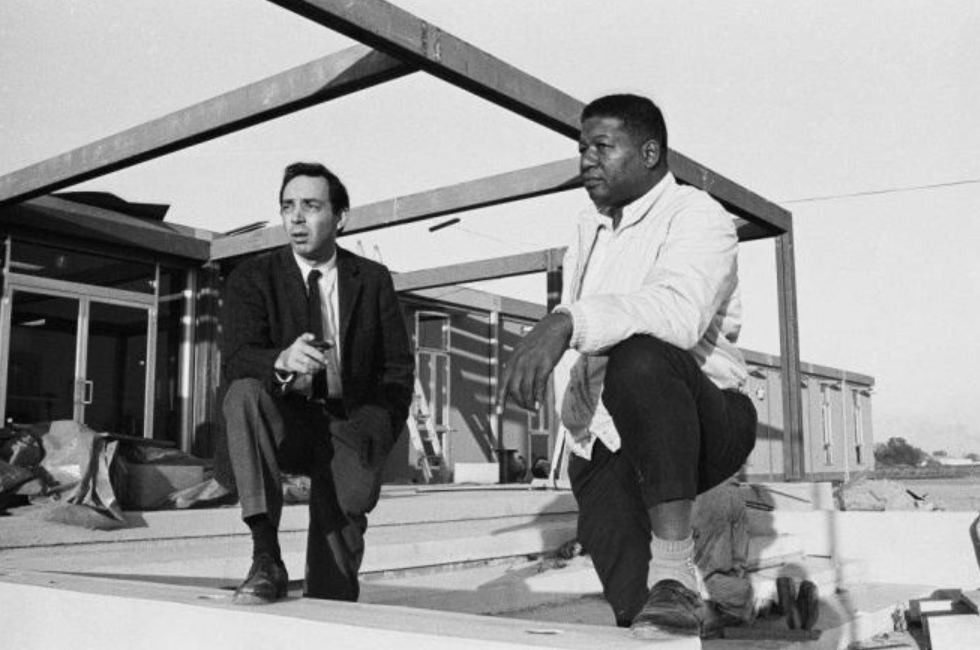
The first community health centers officially opened in 1965 to fill large access gaps to the health care their community needed. Initially funded as a demonstration project by the lead agency of President Lydon Johnson’s “War on Poverty,” in 1977 the program became permanent under Section 330 of the U.S. Public Health Service Act. Since then the health center program has continued to evolve and expand to meet community needs, supported by presidents from both parties and bipartisan Congressional members.
You can learn more here.
In Washington state, community leaders opened the first health center clinic in Seattle in 1967. The clinic was in a public housing development for residents who otherwise had to travel for hours on multiple buses to access medical care. The clinic was an immediate success, with 15 patients seen by medical providers on the very first night. Several other volunteer-based clinics were established in Seattle and throughout Washington in response to a greater emphasis on public health sweeping the country in the 1960s.
In Western Washington, community leaders established centers to serve populations that did not have access to culturally relevant care and to create health care access in communities facing economic challenges. Throughout Central and Eastern Washington, community leaders and health advocates established health centers to meet the needs of seasonal farmworkers, rural communities, and Urban Indian and Tribal communities.
Today, Washington’s community health center system serves nearly 1.3 million people at more than 450 clinics. Thirty-six percent of Washington’s Medicaid enrollees receive care at a health center, which is the highest proportion of enrollees served by CHCs in the nation. Health centers continue to build on the history of the movement, while embracing new ways to best care for vulnerable populations in a highly dignified and holistic manner.